

Making the Right Decision for Engine Longevity
When a CAT engine begins to lose performance, require frequent repairs or accumulate significant operating hours, businesses are often faced with an important decision: overhaul the existing engine or replace it completely.
There is no single answer that applies to every engine. The right decision depends on its condition, operating history, application, expected future workload and the cost of keeping the equipment operational.
Assess the Engine Condition
The first step is understanding the actual condition of the engine rather than making a decision based on operating hours alone.
Oil consumption, compression, exhaust smoke, unusual noise, coolant condition, oil pressure and overall performance can provide important indications of engine health. A proper inspection can also identify wear within major components such as pistons, liners, bearings, cylinder heads and the fuel system.
This assessment helps determine whether the engine has a strong foundation for refurbishment or whether deterioration has progressed too far.
When an Overhaul Makes Sense
An overhaul can be a practical option when the main engine structure remains in good condition and worn components can be replaced or rebuilt economically.
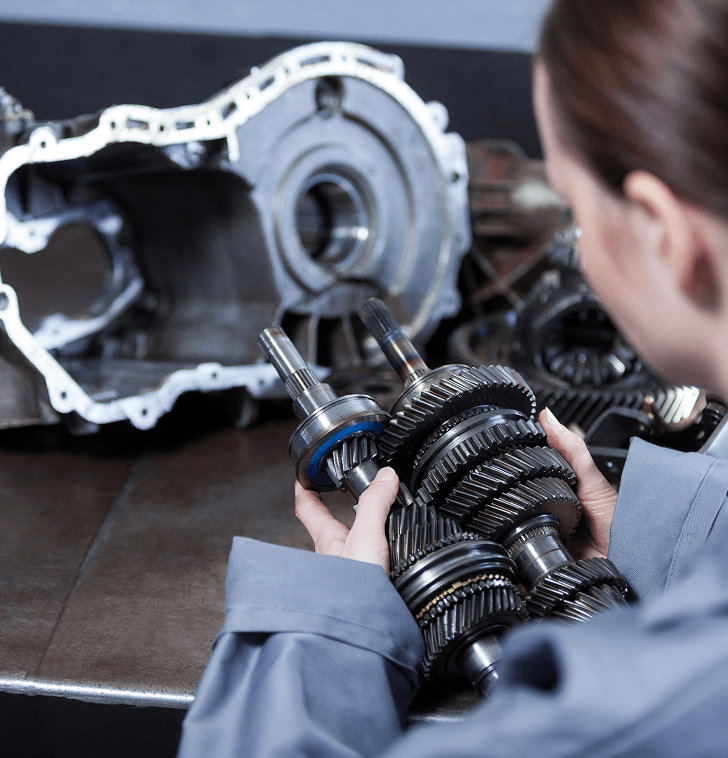
Depending on the engine, an overhaul may involve replacing liners, pistons, rings, bearings, gaskets and seals, while also inspecting or rebuilding components such as the cylinder head, turbocharger and fuel system.
For equipment that remains suitable for the business and continues to meet operational requirements, refurbishment can restore performance while avoiding the cost of replacing the complete engine or machine.
When Replacement May Be Better
Replacement becomes more attractive when an engine has extensive structural damage, repeated major failures or repair requirements that extend beyond normal overhaul components.
Businesses should also consider how long the surrounding equipment is expected to remain in service. Investing heavily in an engine overhaul may offer limited value if other major systems are approaching the end of their usable life.
A replacement engine may also provide greater confidence where equipment is required to operate continuously or where unexpected downtime carries a significant operational cost.
Consider the Total Cost
The decision should not be based on the repair quotation alone. Labour, replacement parts, equipment downtime, future maintenance and the remaining service life of the engine should all be considered.
A lower-cost repair can become expensive if additional failures occur shortly afterwards. Equally, replacing an engine that could have been successfully overhauled may result in unnecessary capital expenditure.
The objective is to determine which option provides the strongest value over the expected remaining life of the equipment.
Parts and Technical Support Matter
The quality of an engine overhaul depends heavily on the components used and the technical expertise behind the work.
Correct specifications, suitable replacement parts and experienced technicians are essential when rebuilding an engine expected to return to demanding operating conditions. Access to future parts and technical support should also form part of the decision.
A properly planned overhaul can significantly extend the working life of a CAT engine, but knowing when replacement is the better investment is equally important. A thorough assessment before committing to either option can help reduce unexpected costs, minimise downtime and keep equipment operating reliably.